Wedding Venues in Dubai: How to Choose, from a Planner
Wedding venues in Dubai by type: hotel ballrooms, beach, garden, desert, yacht and private villas. Capacity, season, budget and what a planner checks first.
Published 7 November 2026
Dubai has more wedding venues than almost any city its size, and most lists only show you the photographs. This guide walks through each kind of venue the way a wedding planner in Dubai weighs them: guest count, season, budget, culture and the logistics that never appear in a brochure.
In this guide.
- 01Start with the guest list, not the venue
- 02Hotel ballrooms
- 03Beach and waterfront venues
- 04Gardens, terraces and rooftops
- 05Desert venues
- 06Yachts and private villas
- 07Venues by culture and ceremony
- 08Season, timing and budget
- 09What we check before booking a venue
- 10Planning with us
Start with the guest list, not the venue
The single question that narrows Dubai's venues fastest is how many people you are inviting. An intimate wedding of 50 has hundreds of options. A wedding of 500 has a few dozen ballrooms that can seat everyone, feed them and park their cars.
Then add the shape of the celebration. A multi-day Indian or Pakistani wedding needs a different room for the mehndi, the sangeet and the reception. An Arabic wedding may need separate spaces for men and women. A destination wedding needs hotel rooms for guests flying in. Write those needs down before you visit anything.
Hotel ballrooms
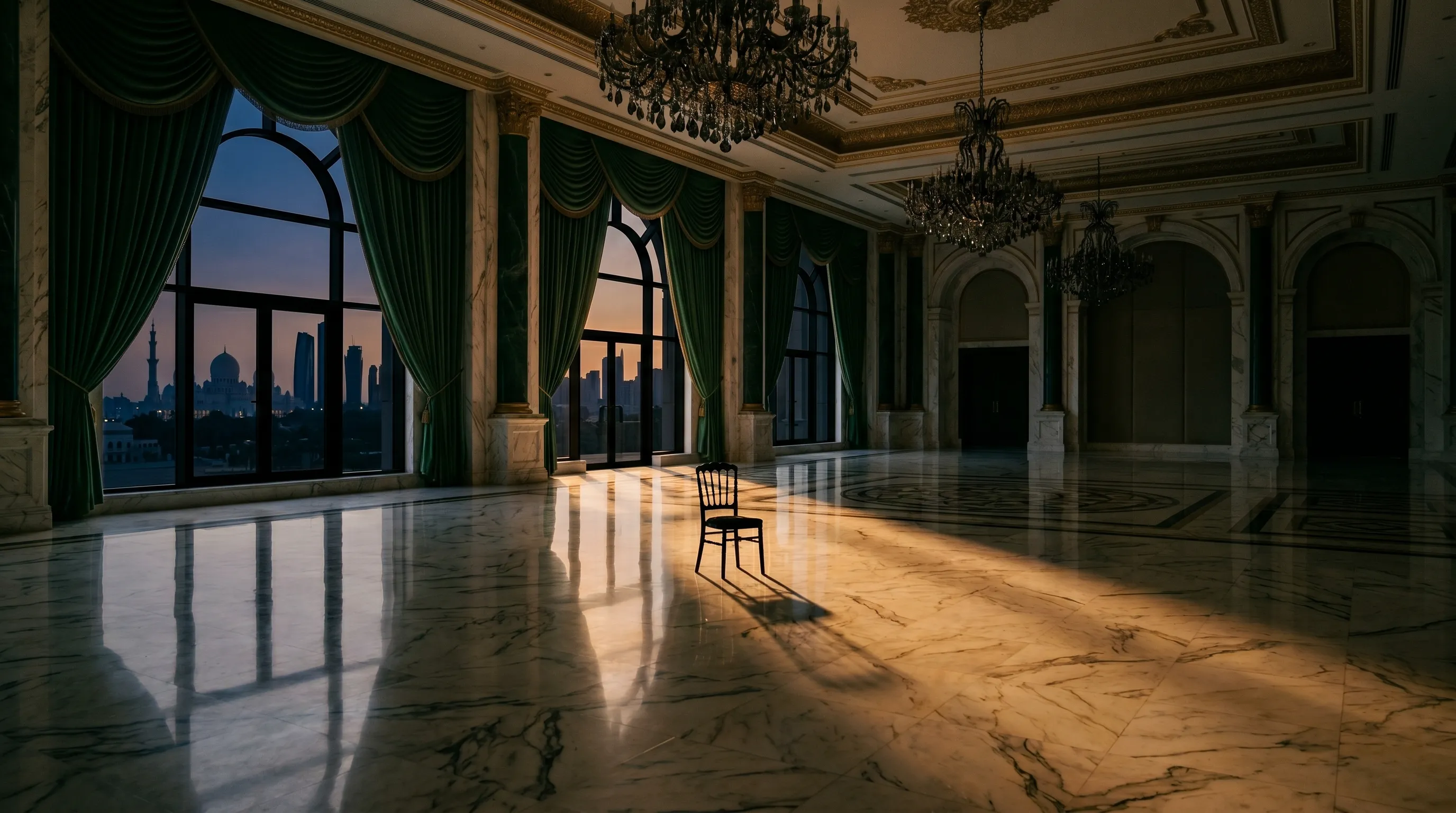
The ballroom is the workhorse of Dubai weddings. Large hotels across Downtown, the Palm, Jumeirah and Dubai Marina offer pillar-free ballrooms that seat several hundred guests, with in-house kitchens, bridal suites, parking and rooms for family upstairs. The largest resorts, such as Atlantis The Palm, can host the very biggest celebrations.
Ballrooms suit large guest lists, summer dates and families who want everything in one building. The trade-off is character: most begin as a neutral box, and the room becomes yours through wedding decoration, lighting and staging. Ask about catering rules early, because many hotels only allow their own kitchen.
Beach and waterfront venues
Beach weddings are the image many couples arrive with: a ceremony at sunset, the sea behind the arch, dinner on the sand. Beachfront hotels and beach clubs offer this, as do private stretches arranged with the right permits.
They are best from November to March, when evenings are cool and the wind is calm. Plan for sand, sound limits, lighting and a covered fallback. Outdoor service needs its own kitchen and power, which is the work of outdoor catering.
Gardens, terraces and rooftops
Hotel lawns, garden terraces and rooftops sit between the ballroom and the beach. They give fresh air and skyline or sea views with the support of a hotel behind them, and they suit mid-sized weddings and evening receptions.
Check the noise curfew, the maximum capacity for the space and what happens if the weather turns. Many couples hold the ceremony outside and move the dinner indoors.
Desert venues
A desert wedding is one of the most memorable settings Dubai offers: dunes at sunset, lanterns, rugs and a long table under the stars. Desert resorts and private camps can host them, and the cooler months are the only sensible season.
Everything has to travel: kitchen, generators, furniture, lighting and staff. Guests need transport and a clear schedule. It is a setting that rewards careful planning more than any other.
Yachts and private villas
For smaller weddings, a yacht or a private villa gives total privacy. Yachts suit intimate ceremonies and receptions on the water, usually for a few dozen guests. Villas on the Palm, in Emirates Hills or Al Barari suit family-led celebrations, henna nights and the days around the main event.
Both start empty. Seating, tables, lighting and service all come in, which is where furniture rental and a full catering team matter.
Venues by culture and ceremony
Different traditions ask different things of a venue. An Indian wedding may need a mandap, space for a baraat procession and several rooms across days. A Pakistani wedding moves from dholki and mehndi to nikkah and valima. An Arabic wedding often needs a zaffah entrance and gender-separated halls.
Ask each venue how many of your ceremonies it can host, and whether it allows outside caterers who cook your cuisine. Our guides to Indian, Pakistani and Arabic wedding catering cover the menus.
Season, timing and budget
Dubai's wedding season runs from October to April, when outdoor venues come alive and the best dates book a year ahead. Summer weddings move indoors, and some venues offer better terms in the hotter months.
Venue cost is rarely just the room. Many hotels quote a per-person food and beverage minimum, and catering is usually the largest line in the budget. The wedding catering cost guide breaks it down by guest count, and the wedding planning checklist shows when to book each piece.
What we check before booking a venue
When we shortlist a venue for a couple, we look past the photographs. Can the room seat your guest list with a dance floor and a stage? What time does the music have to stop, and when can the team set up? Can your own caterer and decorator work there? Is there a bridal suite, parking and step-free access for older relatives? What is the plan if it rains or the wind picks up?
Those answers decide more weddings than the view does.
Planning with us
Every venue type above is one we plan and dress, with wedding catering, decoration, furniture and staff from one team. Couples flying in can start with destination weddings in Dubai, and celebrations in the capital with our wedding planner in Abu Dhabi.
Send us your date, guest count and the kind of setting you imagine, and we will come back with a venue shortlist. Or send us your brief and start with the menu.
Tell us about your event.
Share a date, a venue, a guest count. We respond within the day.
Send inquiry